

 Free Shipping
 Free Exchanges
 30-Day Return Policy
What Shoe Features Help Improve Ankle Support?
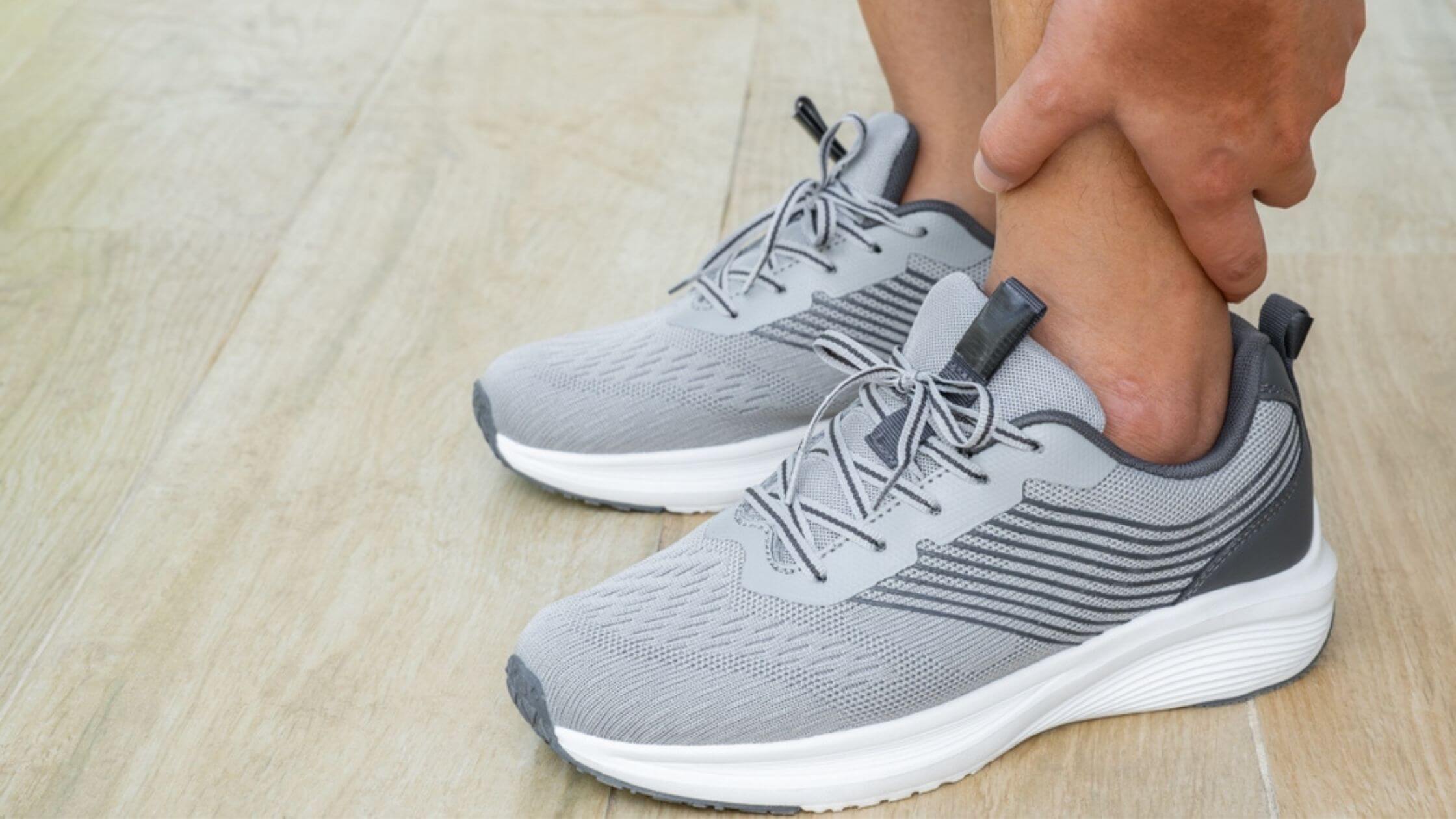
Ankle support is an important consideration when choosing shoes, especially if you experience ankle instability or need additional support for stable movement. While many people associate ankle support with high-top shoes or boots, several other footwear features can contribute to a stable and secure fit.
The heel counter, midsole, outsole, and fastening system all influence how a shoe supports your feet during movement. Even a low-top walking shoe can offer good ankle stability when these features work together.
Understanding what makes a shoe supportive can help you choose footwear that feels secure, provides everyday comfort, and suits your activities. Let's look at the shoe features that matter most for ankle support and how to recognize them when shopping.
Why Is Ankle Support Important in Footwear?
Your ankles play an important role in supporting your body weight and allowing your feet to move while walking, standing, and changing direction. The ankle joint works with the muscles, tendons, and ligaments surrounding it to help maintain balance and control movement.
Although shoes cannot replace the body's natural ankle support, their construction can influence how securely your feet are positioned during everyday activities. Shoes that fit poorly or allow excessive foot movement may feel unstable.
It's also helpful to understand the difference between ankle support and ankle stability. Ankle support generally refers to features that provide structure or limit certain movements around the foot and ankle. Ankle stability describes the ability to maintain control during movement, which depends on the muscles, joints, balance, and footwear working together.
What Shoe Features Provide the Best Ankle Support?
A shoe that supports the ankle doesn't necessarily need to extend above the ankle to provide stability. Several design features work together to keep the foot securely positioned and provide a stable foundation during walking.
Firm Heel Counters
One of the most important features to look for is a firm heel counter. This is the reinforced structure surrounding the back of the heel, usually located between the shoe's outer material and inner lining. Its purpose is to help hold the heel in place and limit excessive movement within the shoe.

A well-constructed heel counter helps maintain the shoe's shape and limits excessive heel movement within the shoe. By holding the rearfoot more securely, it provides a stable connection between the foot and shoe during walking. While a firm heel counter doesn't directly restrict ankle movement, it can contribute to overall foot and ankle stability by reducing unwanted movement inside the shoe.
You can check the heel counter by gently squeezing the back of the shoe between your fingers. A supportive heel counter should feel firm and resist collapsing easily. It doesn't need to be completely rigid, but it should offer noticeable structure compared with a soft, unreinforced heel.
According to the AAOS guide to athletic shoes, the heel counter should grip the heel adequately to provide stability. This makes it an important feature to examine when shopping for supportive walking or orthopedic shoes.
Stable Midsoles and Supportive Shoe Construction
The midsole is the layer between the insole and outsole that provides cushioning and contributes to the shoe's overall structure. While soft cushioning can feel comfortable, a supportive shoe also needs enough firmness to maintain a stable base.
Shoes that bend or twist too easily through the middle may provide less structure than models with reinforced midsoles or supportive shanks. A shank is a firm component embedded in the midsole that extends from the heel area to the arch in some shoes. It helps resist excessive bending through the midfoot.

One simple way to examine shoe construction is to hold the shoe at both ends and gently twist it. A stable walking shoe will generally offer some resistance rather than twisting freely. It should also bend more easily near the ball of the foot than through the middle of the arch.
The AAOS footwear guide identifies a stable shank and appropriate flexibility as useful features when evaluating shoe construction.
However, greater stiffness isn't automatically better. The ideal amount of flexibility depends on the shoe's purpose, your walking habits, and personal comfort.
Wide, Stable Outsoles
The outsole is the bottom portion of the shoe that makes contact with the ground. Its width, shape, and construction influence how stable the shoe feels during walking.
A relatively broad outsole or straight-lasted shoes can provide a more stable platform beneath the foot. This is especially noticeable when compared with shoes that have narrow soles, elevated heels, or soft midsoles that compress unevenly.
A wider outsole doesn't automatically prevent ankle rolling, but it can contribute to a more secure feeling underfoot. The sole should also work with the shoe's heel structure and upper to maintain a comfortable, balanced fit.
Secure Laces and Adjustable Closures
Even a well-constructed shoe may feel unstable if it doesn't hold the foot securely. Laces, adjustable straps, and other closure systems help keep the foot positioned inside the shoe while walking.
Traditional laces allow you to adjust the fit across different areas of the foot. This can be particularly useful for people with narrow heels, high insteps, or feet that need different levels of adjustment. Hook-and-loop straps can also provide a secure fit while being easier to operate for people who prefer not to tie laces.
The goal is to keep the heel and midfoot comfortably secure without placing too much pressure across the top of the foot. If the shoe is too loose, the foot may slide inside it. If the closures are too tight, they can create pressure and discomfort.
The American Orthopaedic Foot & Ankle Society recommends checking that the heel stays securely in place and adjusting laces evenly when fitting athletic footwear.
Arch Support and Foot Positioning
Arch support is another feature commonly found in stability and orthopedic shoes. Contoured footbeds help provide a supportive surface beneath the arch and may influence how the foot sits inside the shoe.
People with different arch shapes may prefer different levels of support. For example, someone with a low arch may feel more comfortable wearing a shoe with a supportive footbed and structured midsole, while another person may prefer a less-contoured design.
However, arch support and ankle support are not the same thing. An insole cannot directly stabilize the ankle joint simply by supporting the arch. Its primary role is to provide a comfortable foundation beneath the foot, which may contribute to the overall feel and function of the shoe.
For people who use custom orthotics, shoes with removable insoles and adequate interior depth can be useful. These features allow room for replacement inserts without making the shoe excessively tight.
Are High-Top Shoes Better for Ankle Support?
High-top shoes are often considered the best option for ankle support because they extend above the ankle joint. However, a higher shoe collar doesn't automatically mean better stability or protection against ankle injuries.
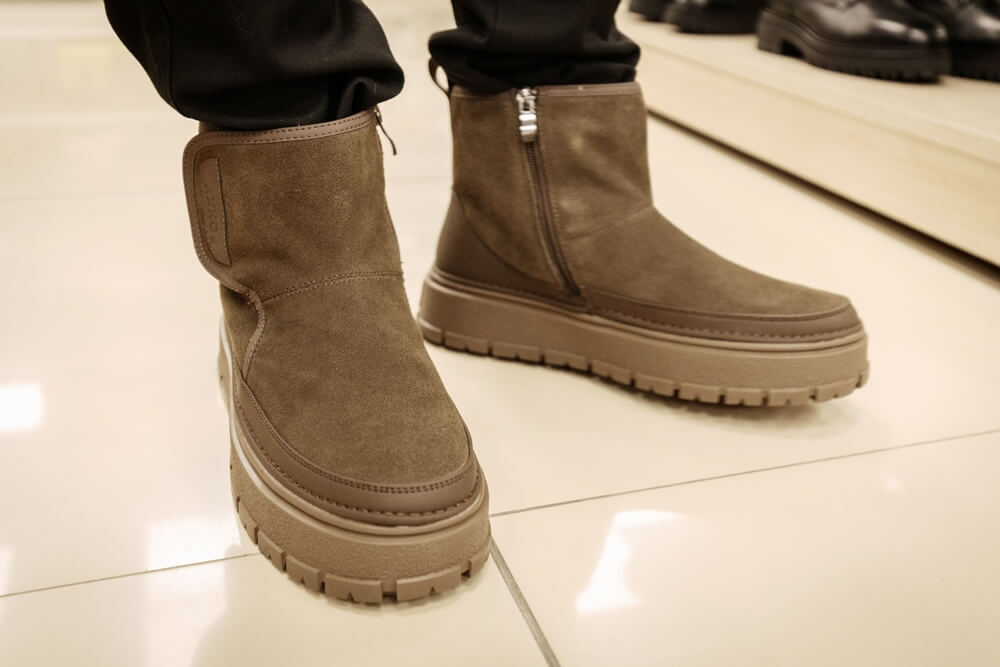
Unlike low-top shoes, which primarily support the foot below the ankle, high-top shoes and ankle boots can provide additional structure around the ankle joint itself. When the upper is firm and securely fastened, it may help resist some side-to-side ankle movements. The amount of support depends on the stiffness of the upper, the fit, and the shoe's overall construction rather than shaft height alone. For example, a high-top shoe with a soft, flexible upper may provide less support than a shorter shoe with a more structured design.
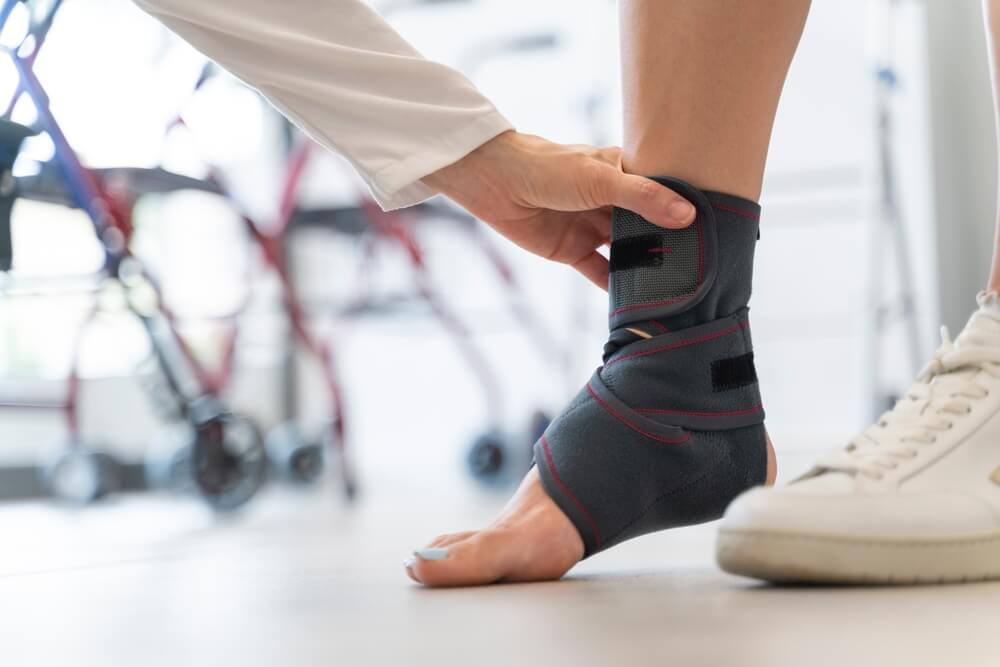
For people with ongoing ankle instability, supportive shoes and ankle braces serve different purposes. Shoes help keep the foot securely positioned, while ankle braces are designed to provide more direct support around the joint and resist certain ankle movements. Although braces can help reduce the risk of recurring ankle sprains, they do not address every cause of ankle instability.
What Does Research Say About High-Top Shoes?
Research comparing high-top and low-top athletic shoes has produced mixed results. Some laboratory studies suggest that high-top shoes can reduce certain ankle movements, but this hasn't consistently translated into fewer ankle sprains during sports.
A clinical guideline published in the British Journal of Sports Medicine reviewed research on ankle sprain prevention and found no clear difference in injury prevention between high-top and low-top shoes. The guideline concluded that the available evidence was insufficient to recommend one shaft height over the other for preventing ankle sprains.
This doesn't mean high-top shoes are ineffective or that they cannot provide a more supportive feel. It means ankle injury risk depends on more than shaft height alone, including activity, movement patterns, and individual biomechanics.
What Shoe Height Is Best for Ankle Support?
The height of a shoe's upper, often called the collar or shaft height, can influence how much coverage and support it provides around the ankle. However, there is no single recommended height that works best for everyone. The shoe's upper stiffness, closure system, and overall construction also affect how much support it provides.
Low-top shoes sit below the ankle bones and allow greater freedom of movement. Although they don't provide direct support around the ankle joint, well-constructed walking shoes can offer a stable foundation through firm heel counters, supportive midsoles, and secure closures.
Mid-top shoes extend closer to or slightly above the ankle bones, providing additional coverage without the taller shaft of a boot. Models with structured uppers and adjustable laces may offer some resistance to side-to-side ankle movement while allowing comfortable everyday walking.
High-top shoes and ankle boots extend above the ankle bones and may provide greater resistance to certain ankle movements, particularly when the upper is firm and securely fastened. However, a soft, flexible shaft may provide little additional support regardless of its height.
When comparing shoe heights, consider both the level of ankle coverage and how firmly the upper holds its shape. A structured mid-top shoe may offer more meaningful support than a taller boot with a soft, flexible shaft. The goal is to find footwear that feels secure while allowing enough movement for comfortable walking.
What Types of Shoes Offer Good Ankle Support?
Several footwear styles can provide a stable and supportive fit, including walking shoes, stability shoes, and ankle boots. Many orthopedic shoe styles also incorporate these features, so it's important to evaluate a shoe's construction rather than relying on its category or label alone.
Supportive Walking Shoes
Walking shoes are designed for the repeated heel-to-toe movement that occurs during everyday walking. Many feature reinforced heel counters, cushioned midsoles, and flexible forefoot sections that allow the foot to move comfortably through each step.
A supportive walking shoe can be a practical choice for running errands, taking daily walks, or spending long periods on your feet. Look for models that combine secure heel construction with enough cushioning and flexibility for comfortable movement.
Stability and Motion-Control Shoes
Stability shoes are designed with additional features to influence foot movement and provide a structured platform. Depending on the model, these may include firmer midsole sections, supportive sidewalls, or reinforced heel construction.
Motion-control shoes, like the New Balance 928v3 sneaker, generally offer more structured support than standard neutral shoes, although the distinction varies between manufacturers.
These shoes may appeal to people who prefer a firmer, more controlled feel underfoot. However, not everyone benefits from additional motion-control features, and a shoe that feels overly restrictive may not be the most comfortable choice.
High-Top Shoes and Ankle Boots
High-top shoes and ankle boots provide additional coverage around the ankle and may offer greater resistance to certain ankle movements when constructed with firm uppers and secure closures. For outdoor activities, hiking boots often combine these features with stable soles designed for uneven ground. However, the height of the shoe alone doesn't determine its level of support.
How Do You Choose Shoes with the Right Ankle Support?
The best shoes for ankle support should feel stable, fit securely, and suit your everyday activities. When comparing footwear, consider the following features:
- Firm Heel Counter: Look for a reinforced heel that resists collapsing when gently squeezed and helps keep the back of your foot securely positioned.
- Stable Midsole: Choose a shoe that provides support through the arch and doesn't twist or bend excessively through the middle.
- Supportive Outsole: A broad, stable sole can provide a secure walking platform, while textured rubber tread helps with traction.
- Secure Closures: Adjustable laces or straps should hold your foot comfortably in place without excessive pressure or heel slippage.
- Proper Size and Width: Your toes should have enough room to move, while the heel and midfoot remain secure. Wide or extra-wide options may offer a better fit than simply choosing a larger shoe size.
- Appropriate Cushioning: Look for enough cushioning to provide comfort during walking without making the shoe feel overly soft or unstable.
- Removable Insoles: If you wear orthotics, choose shoes with removable footbeds and enough interior depth to accommodate your inserts.
When trying on shoes, walk around and pay attention to how securely your heel fits, whether the sole feels stable, and how naturally your foot moves. The shoes should feel comfortable from the beginning rather than requiring an extended break-in period.
Choosing shoes with good ankle support involves more than selecting a high-top style or a shoe labeled as supportive. Features such as firm heel counters, stable midsoles, secure closures, and properly designed outsoles all contribute to how securely footwear fits and performs during walking.
While some people prefer the additional coverage of high-top shoes or ankle boots, well-constructed low-top walking shoes can also provide a stable and comfortable fit. The most important consideration is how the shoe's features work together to support your feet during everyday activities.
By paying attention to fit, construction, cushioning, and traction, you can find footwear that offers the right balance of comfort, stability, and support for your needs.
About author:
Derek Roach is a foot health expert with over a decade of experience in the orthopedic shoe industry. He has helped thousands of customers find the right footwear for their unique foot conditions. His expertise has been featured in major publications such as CNN, Women's Health Mag, HuffPost, and Healthline. Passionate about foot health and comfort, Derek provides practical advice to help people improve mobility and reduce foot pain through proper footwear choices.
