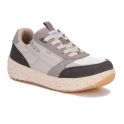
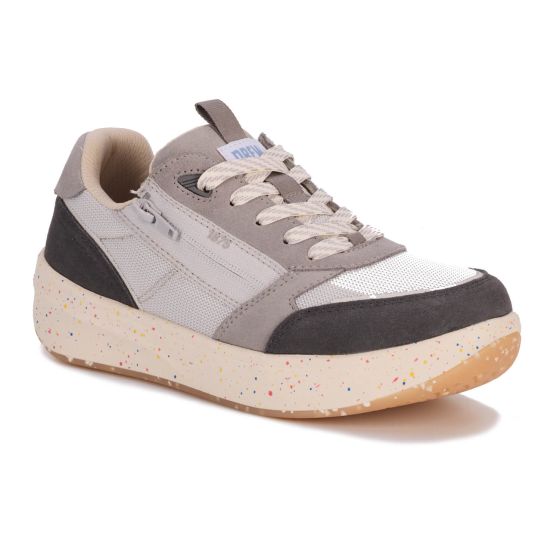
Women's Shoes for Metatarsalgia (Ball-of-Foot Pain)
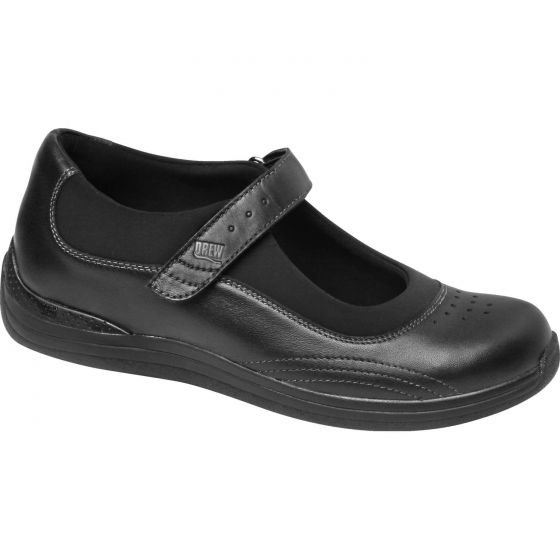
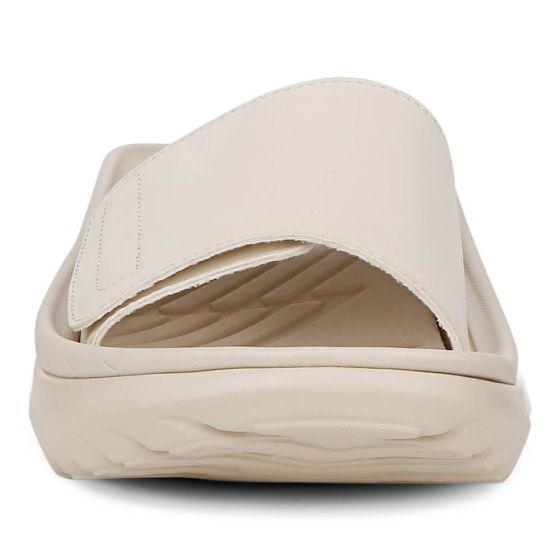
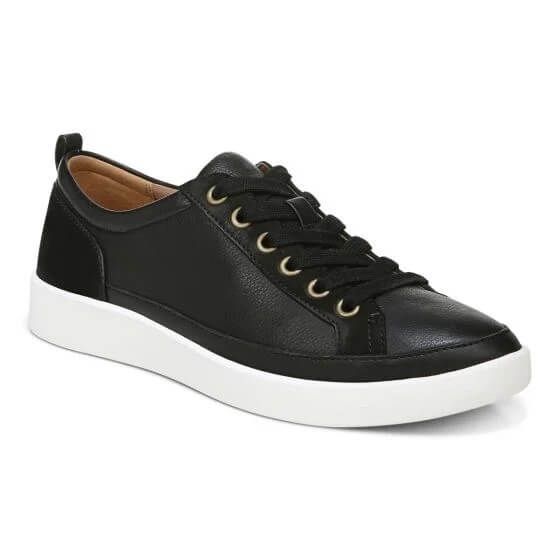
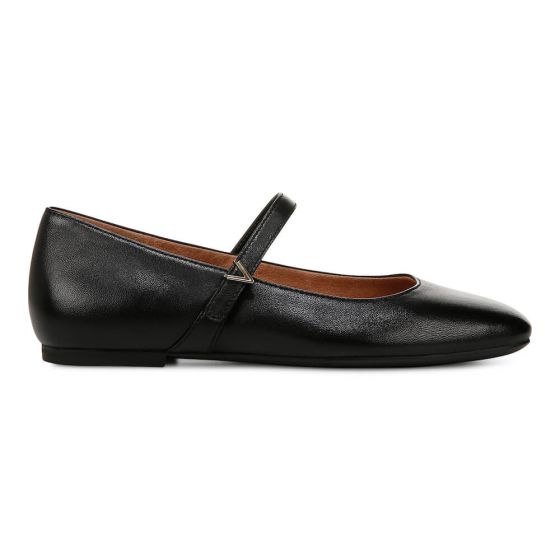
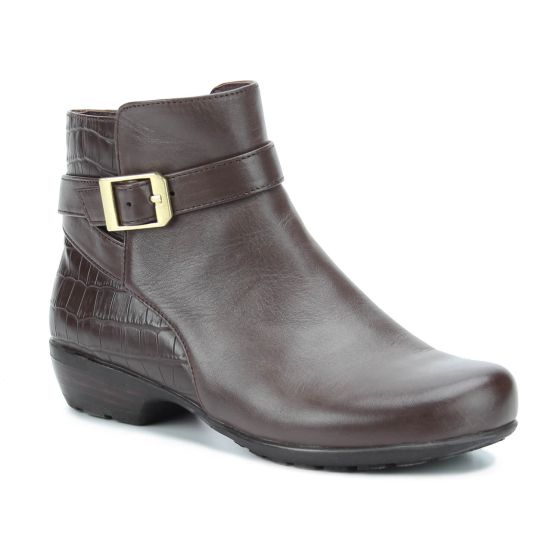
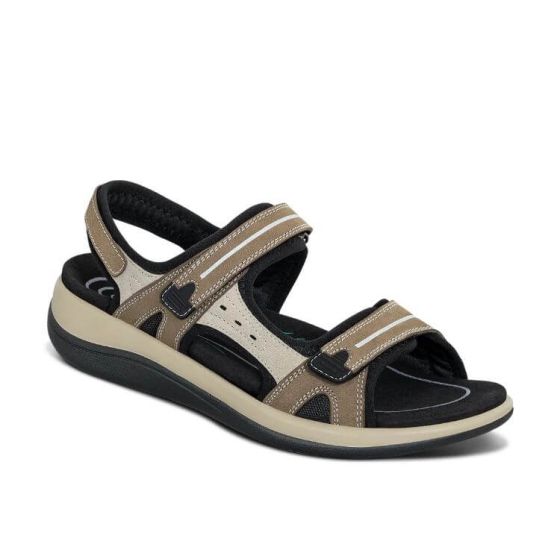
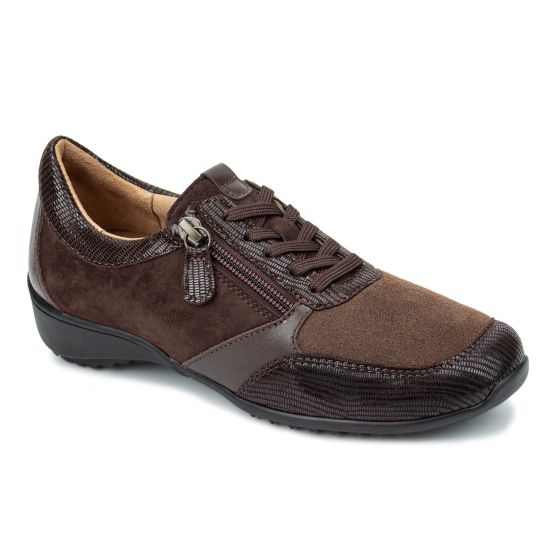
Our women’s shoes for metatarsalgia and ball-of-foot pain include walking shoes, sneakers, sandals and dress styles with forefoot cushioning, supportive footbeds and roomy toe boxes. Some options also feature built-in metatarsal padding, gel-cushioned insoles or removable footbeds for custom orthotics and alternative inserts. A...
Women's Shoes for Metatarsalgia (Ball-of-Foot Pain)
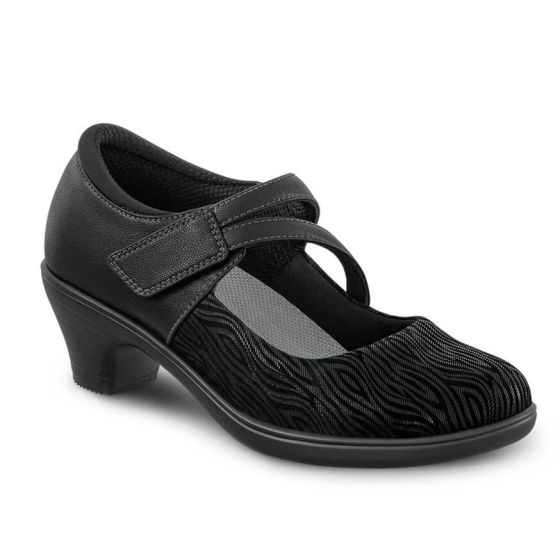
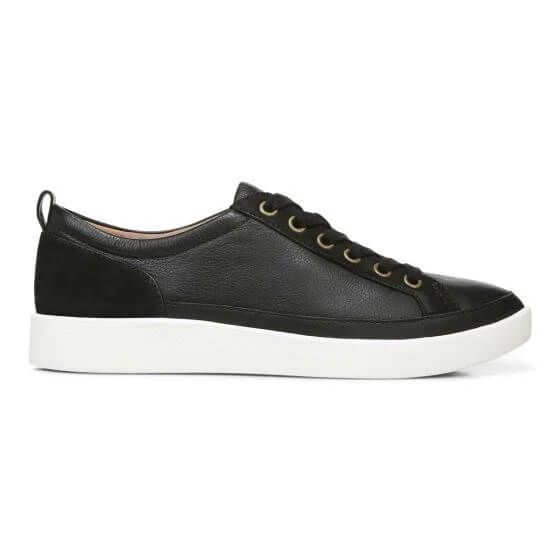
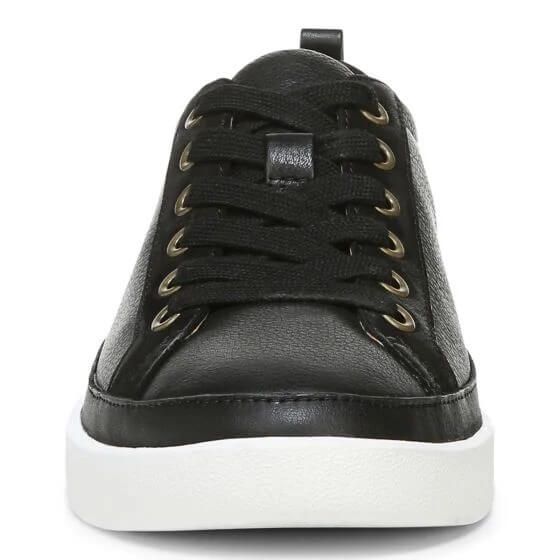
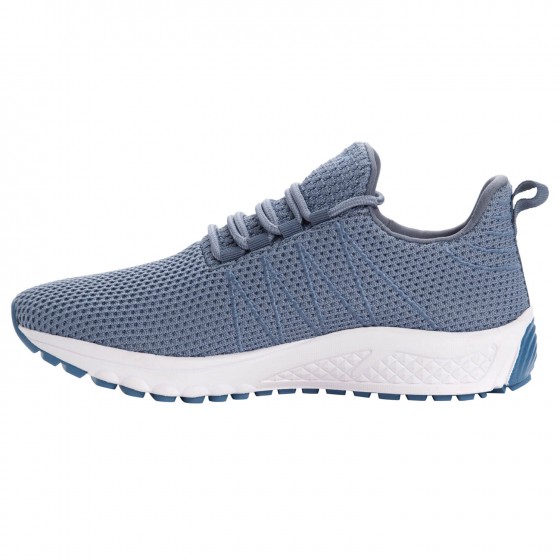
Our women’s shoes for metatarsalgia and ball-of-foot pain include walking shoes, sneakers, sandals and dress styles with forefoot cushioning, supportive footbeds and roomy toe boxes. Some options also feature built-in metatarsal padding, gel-cushioned insoles or removable footbeds for custom orthotics and alternative inserts. A low, stable heel and properly fitted forefoot area may help reduce pressure beneath the ball of the foot and improve everyday comfort.
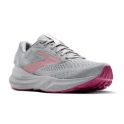
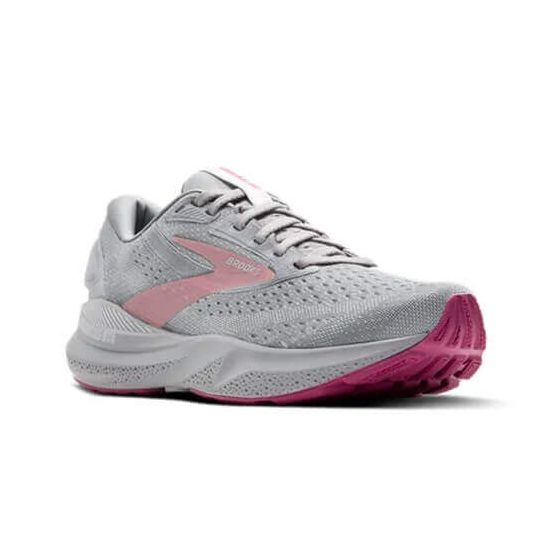
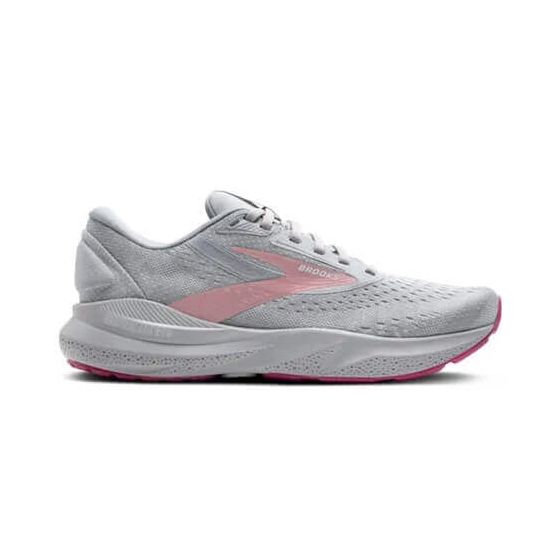
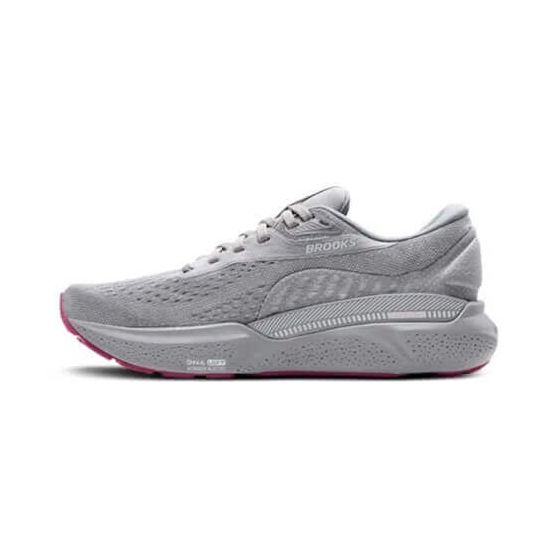
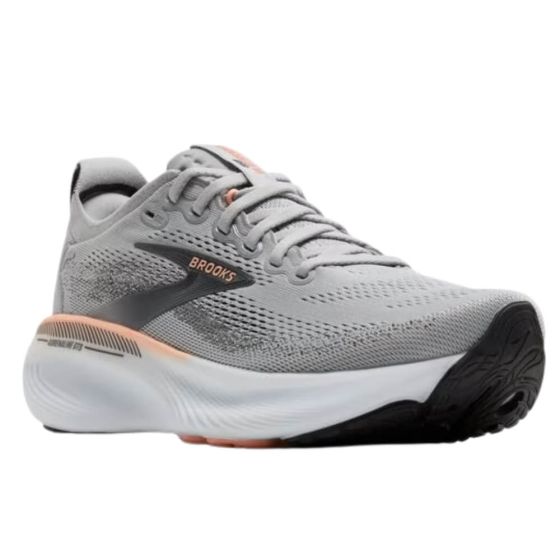
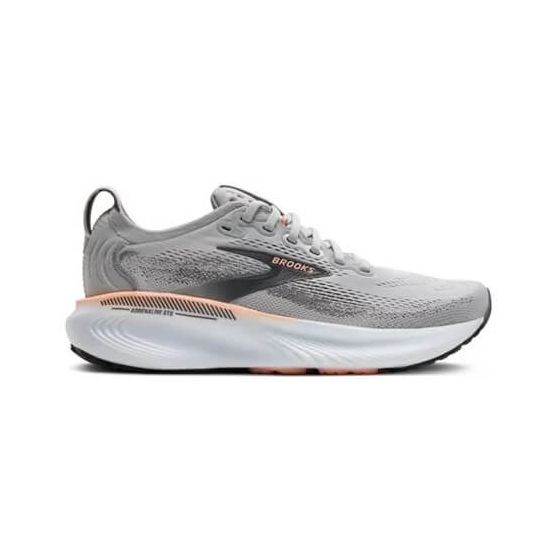
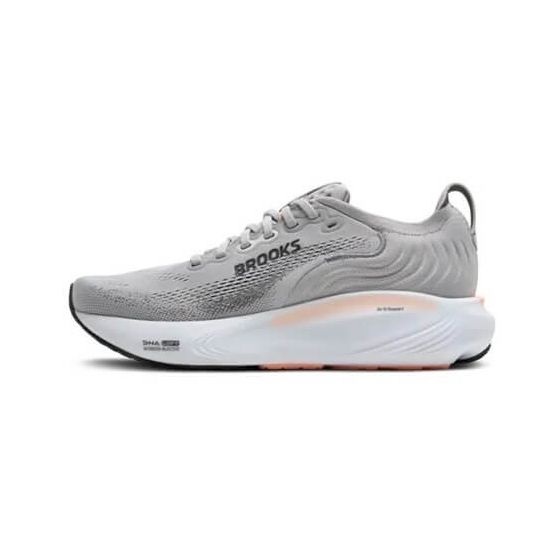
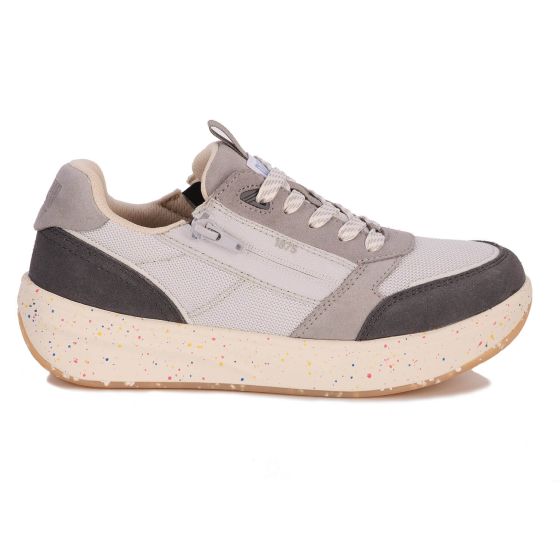
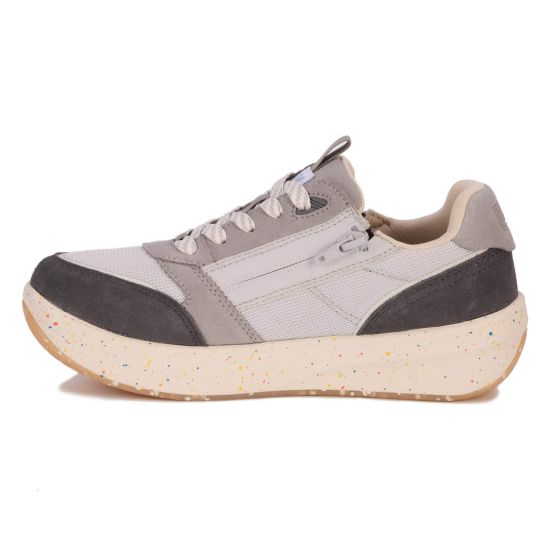
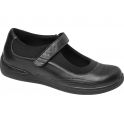
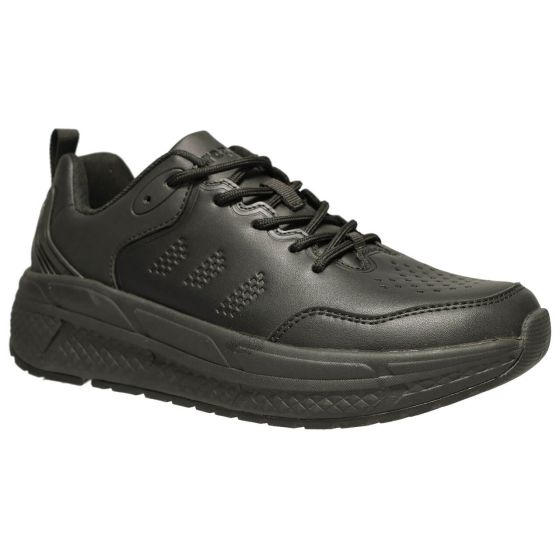
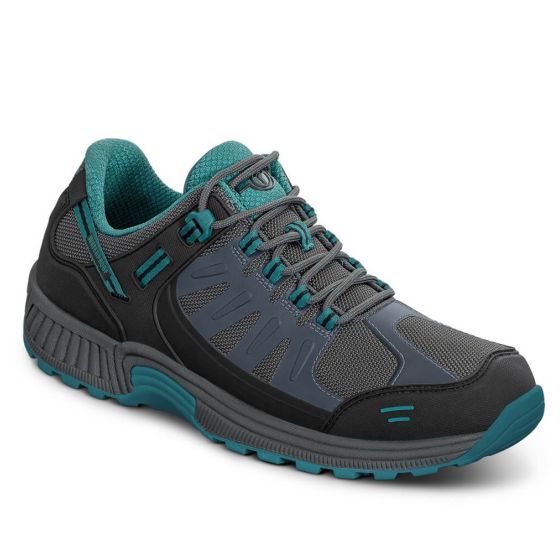
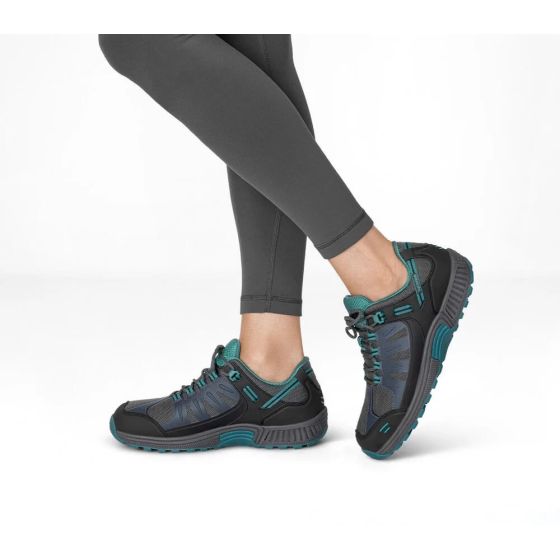
A good women's shoe for metatarsalgia will have features like a roomy toe box, metatarsal padding, cushioning at the ball of foot, and a mild rocker bottom.
What Women's Shoe Features Are Best for Metatarsalgia (Ball of Foot Pain)?
Women with ball-of-foot discomfort should look for footwear that combines cushioning and stability without compressing the forefoot. The right features depend on the cause and location of the pain, as well as the type of shoe and activity. Helpful features may include:
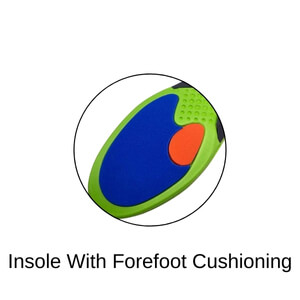
- Forefoot cushioning: Foam, gel or other cushioning materials beneath the ball of the foot can provide a softer feel and absorb some of the impact generated during standing or walking.
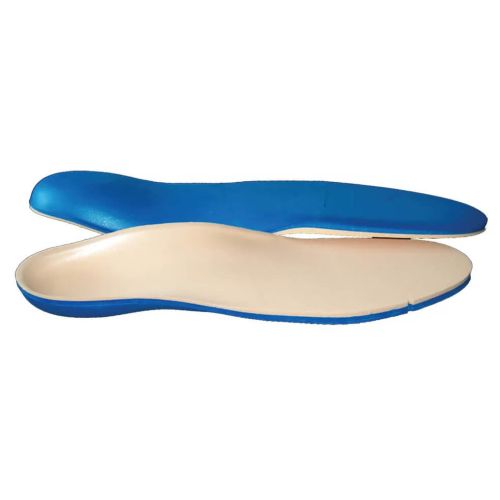
- Built-in metatarsal support: Some women’s styles include padding or a raised support area in the footbed designed to help manage pressure beneath the forefoot.
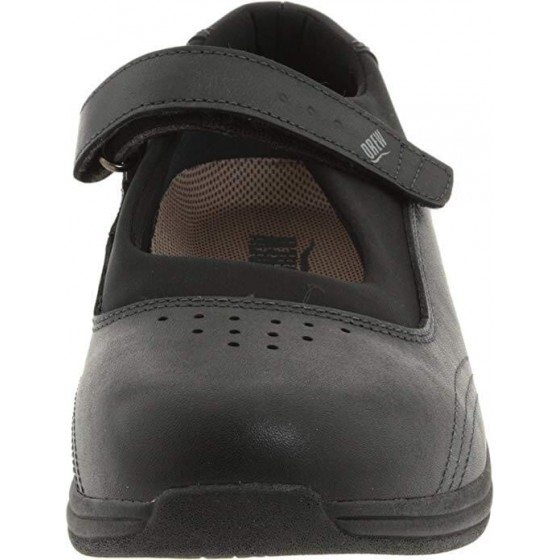
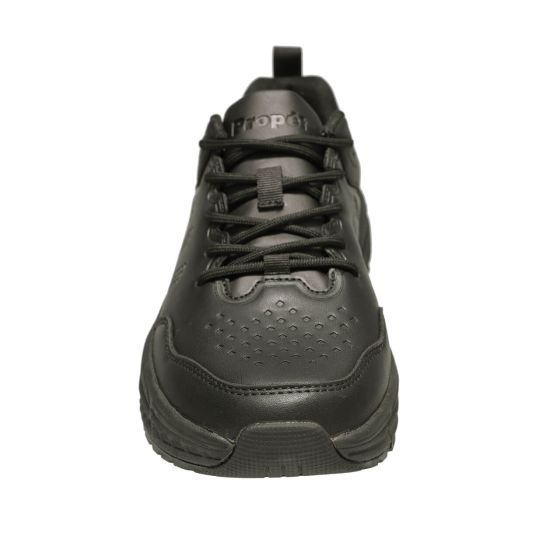
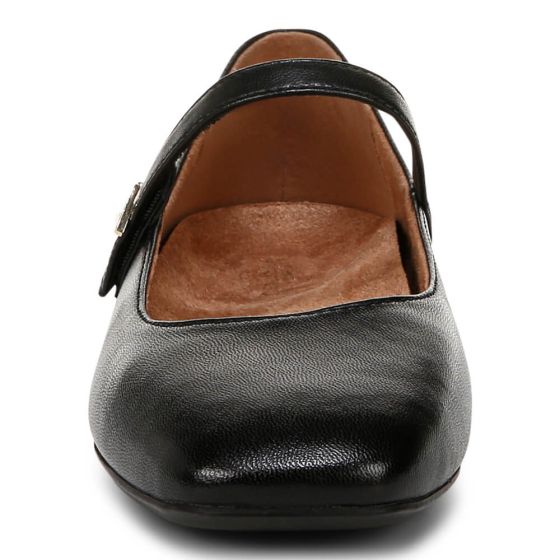
- Roomy toe box: A wide or foot-shaped toe area allows the toes to spread more naturally and helps reduce compression across the front of the foot.
- Supportive footbed: A contoured footbed or arch support may improve underfoot stability and help manage pressure across the foot.
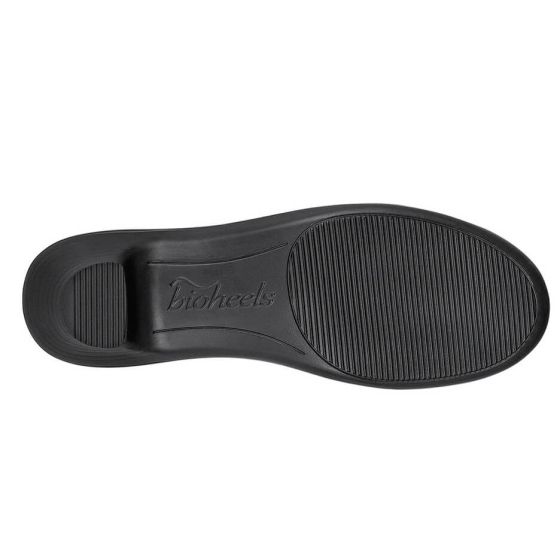
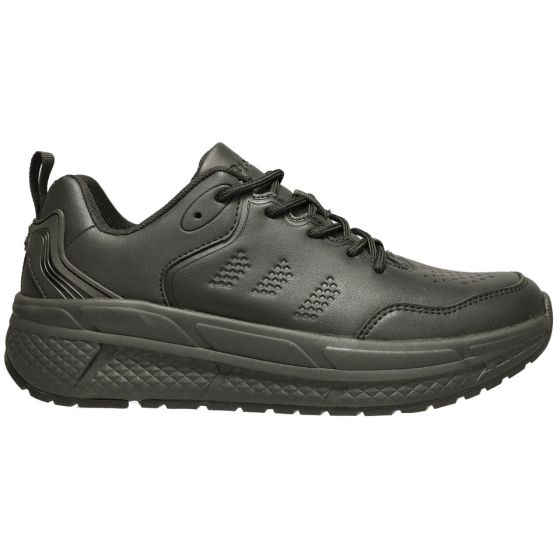
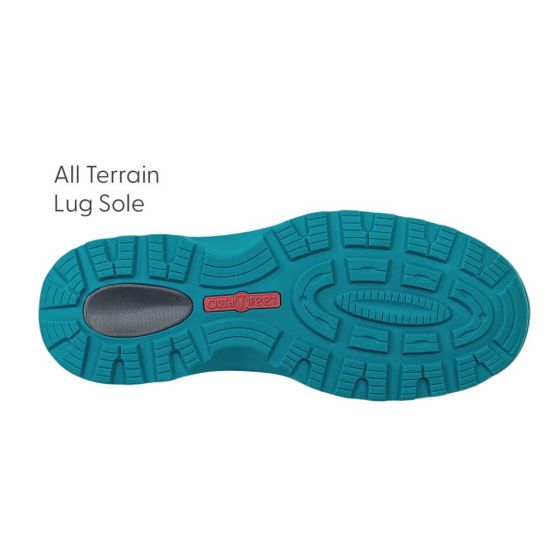
- Stable sole: A supportive, moderately firm midsole can provide a stable walking platform and help limit excessive bending through the forefoot.
- Low, stable heel: A flat or low-heeled shoe can help avoid shifting excessive pressure toward the ball of the foot. When choosing dress shoes, look for a broad, stable heel rather than a narrow or elevated heel.
- Rocker-style sole: Some women may benefit from a rocker sole that promotes a smoother transition through each step and reduces the amount of bending required at the forefoot.
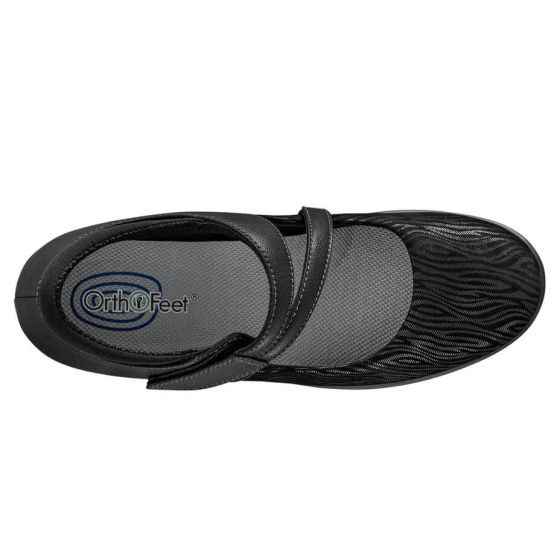
- Removable footbed: A removable insole provides space for a custom orthotic, separate metatarsal pad or preferred replacement insert.
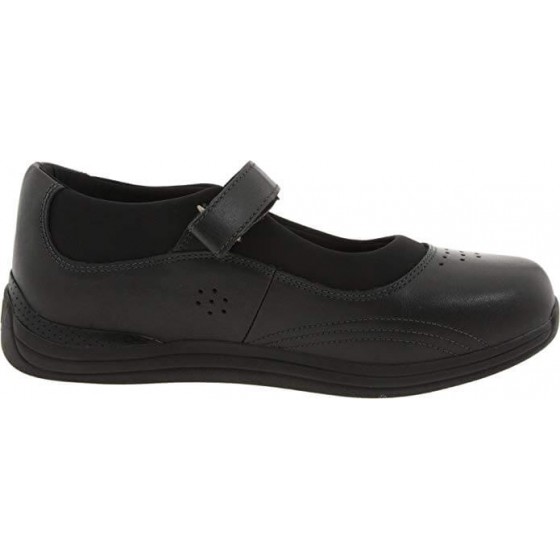
- Adjustable fit: Laces, straps and hook-and-loop closures can help secure the heel and midfoot without making the forefoot feel overly tight.
- Appropriate width and depth: Wide, extra-wide and extra-depth options may be useful when standard women’s shoes place pressure across the ball of the foot.


 Free Shipping
 Free Exchanges
 30-Day Return Policy