Putting on shoes is part of most people's daily routine, but bending down, pulling up the heels, and tying laces isn't always easy. For older adults, people with limited mobility, or anyone looking for more convenience, hands-free shoes offer a simpler way to get ready.
Hands-free shoes allow you to step into your footwear without using your hands. Unlike traditional shoes, they feature specially designed heels that make slipping your feet inside easier. Many styles also include cushioning, arch support, and other comfort features found in everyday walking shoes.
But how do hands-free shoes work, and are they as supportive as regular footwear? Understanding their design, benefits, and available features can help you decide whether they're right for your needs.
What Are Hands-Free Shoes?
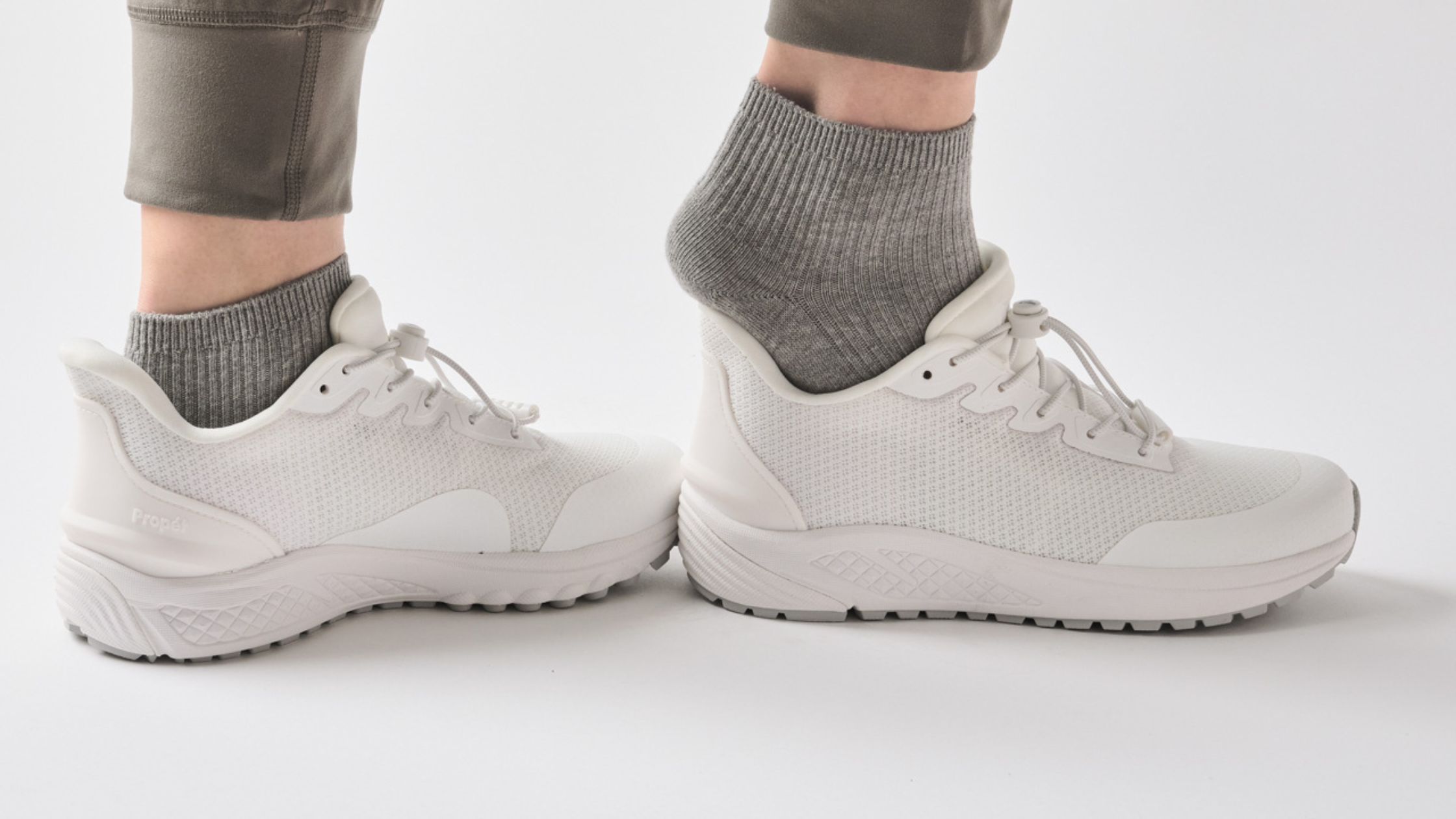
Hands-free shoes are designed to be put on without bending over, pulling up the heel, or adjusting the shoe with your hands. Instead, you simply step into the shoe, and its specially designed heel opening guides your foot into place. This makes them a convenient alternative to traditional footwear that requires more effort to put on.
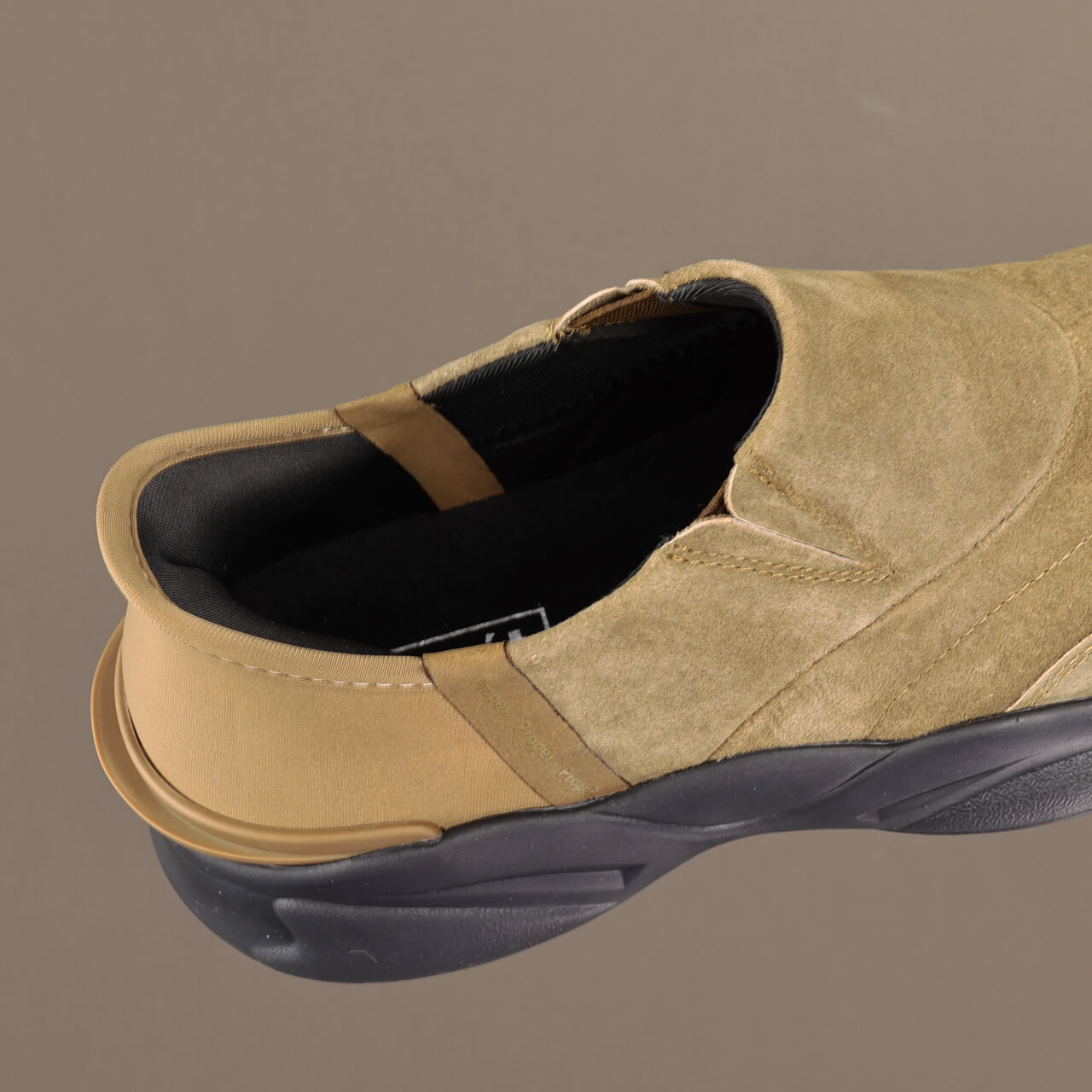
Most hands-free shoes look like regular sneakers, walking shoes, or casual footwear. The main difference is how the heel is constructed. Traditional shoes often require you to pull the heel over your foot or use a shoehorn. Hands-free designs use reinforced heel structures, flexible materials, or special mechanisms to make this unnecessary. Many also feature elastic laces, stretchable uppers, and cushioned heel collars that allow easy entry while helping the shoe stay securely on your foot.
How Are Hands-Free Shoes Different from Slip-On Shoes?
Although hands-free shoes and traditional slip-ons look similar, they aren't always the same. Regular slip-on shoes eliminate the need to tie laces, but you may still need to bend down and pull up the heel. Some also have soft heel sections that fold inward when you step into them.
Hands-free shoes are specifically designed to let your foot enter without using your hands. Their heel structures remain open or move temporarily out of the way, depending on the design. For example, you might need to straighten the heel of a regular slip-on sneaker after putting it on. With a true hands-free shoe, the heel guides your foot inside without that extra step.
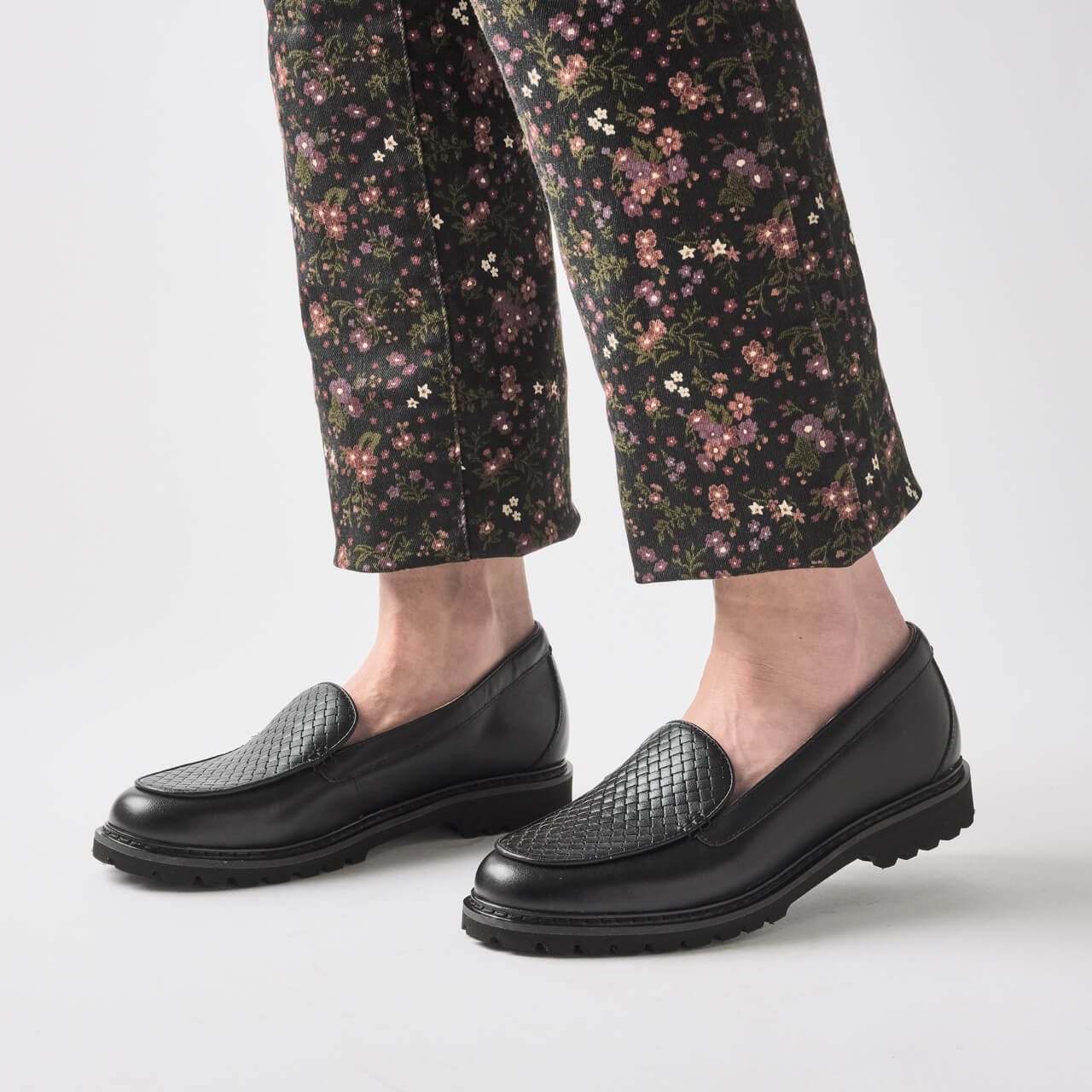
It's also worth noting that not all hands-free shoes are orthopedic shoes. Some focus mainly on convenience, while others include supportive features such as removable insoles, extra depth, wide toe boxes, and stable heel construction.
How Do Hands-Free Shoes Work?
Hands-free shoes use different technologies to make putting on footwear easier. While the designs vary, most rely on a specially constructed heel that allows your foot to enter without losing its shape or support. The two most common approaches use a reinforced heel opening or a heel mechanism that moves during entry.
Step-In Heel Technology
One common design uses a firm, molded heel panel that acts like a built-in shoehorn. As you step into the shoe, the curved heel opening guides your foot downward and forward. The reinforced heel maintains its shape instead of folding inward, allowing your foot to slide into position. Once your foot is inside, padding around the heel helps keep it securely in place.
Collapsible Heels and Hinged Designs
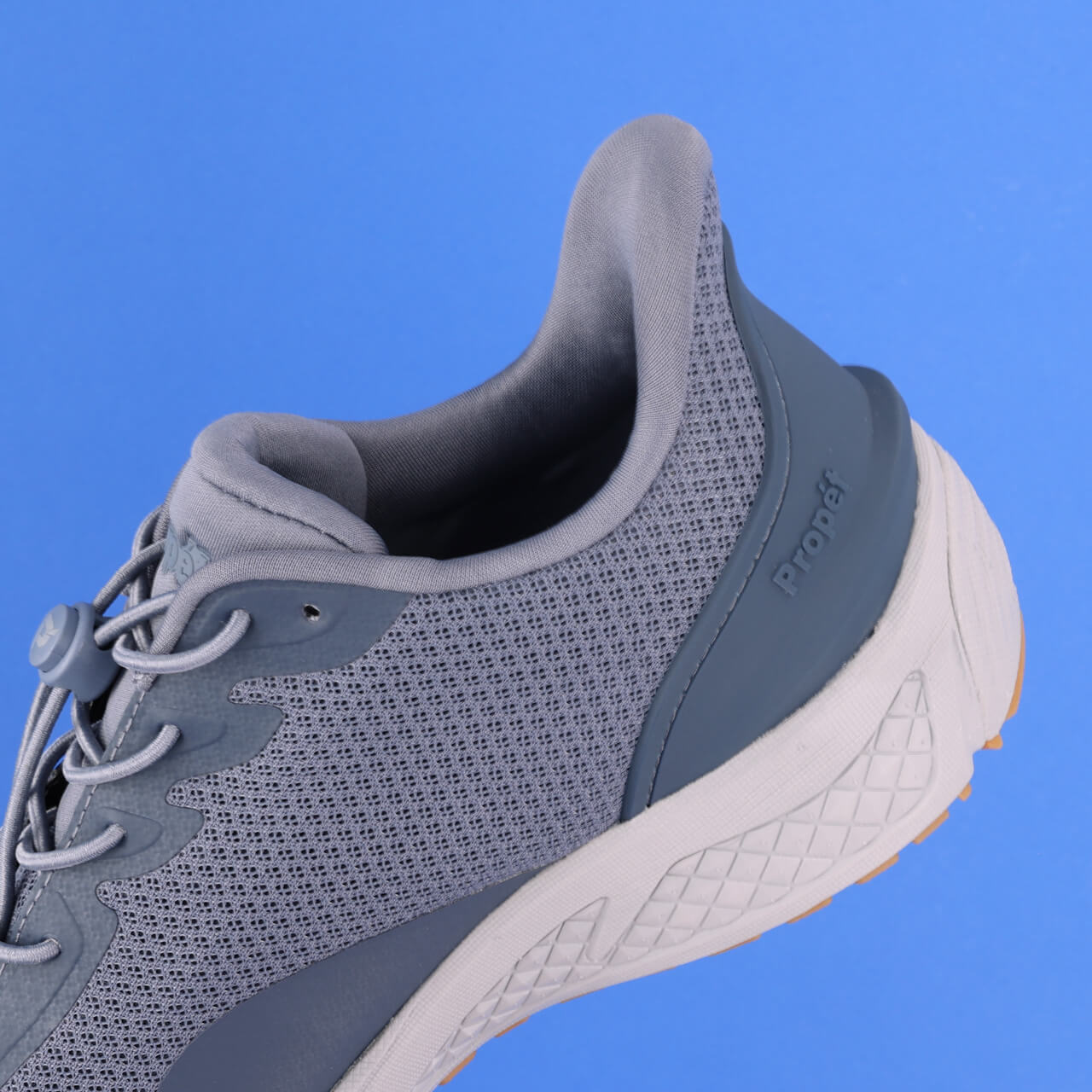
Some hands-free shoes use collapsible or hinged heel structures instead of rigid openings. In collapsible designs, part of the heel collapses as you step into the shoe and returns to its intended position once your foot is inside. Unlike traditional sneakers, these shoes are constructed to handle repeated step-in use without permanently crushing the heel.
How Do Hands-Free Shoes Stay on Your Feet?
Easy entry is only part of the design. Hands-free shoes also need to stay securely on your feet while walking. Manufacturers accomplish this by combining several features that help maintain the shoe's shape and provide a comfortable fit.
- Reinforced heel structures: Help the shoe maintain its shape and support the back of the foot.
- Cushioned heel collars: Provide padding around the heel and ankle for a snug, comfortable fit.
- Elastic laces: Stretch as the foot enters and help hold the upper comfortably against the foot.
- Flexible uppers: Allow the shoe to expand during entry while fitting around the foot.
- Adjustable closures: Available on some models to provide a more personalized fit.
These features work together, but their effectiveness depends on the shoe's construction and how well it fits. If the shoe is too loose, your heel may slip while walking. If it's too tight, you may feel pressure across the toes or top of the foot. A properly fitted hands-free shoe should be easy to put on while remaining secure during movement.
Who Can Benefit from Wearing Hands-Free Shoes?
Almost anyone can appreciate the convenience of hands-free shoes. However, some people may find them particularly useful because of limited flexibility, reduced hand movement, or difficulty managing traditional footwear.
Older Adults
As people get older, bending, reaching, and balancing on one foot may become more difficult. Hands-free shoes can simplify getting dressed by reducing the need to reach down or pull footwear into place. For example, an older adult who usually sits on the edge of a bed to put on sneakers may find stepping into hands-free shoes easier.
However, a secure fit remains especially important for older adults who have difficulty with balance. The Centers for Disease Control and Prevention (CDC) recommends footwear that fits securely, provides good traction, and has adequate support around the heel. Because some hands-free styles have limited adjustment, it's important to choose a design that holds the foot firmly rather than allowing it to slide around inside the shoe.

People with Limited Mobility
People with limited flexibility or restricted movement may find it difficult to bend down and reach their feet. Hands-free shoes can reduce the effort involved by eliminating the need to pull on the heel or fasten traditional laces. Someone who has difficulty bending at the hips, for example, may find it easier to step into shoes with reinforced heel openings.
The amount of effort needed varies between models. Some require more downward pressure than others, while certain styles have wider openings that make foot entry easier. Choosing a design that matches your range of movement and comfort preferences is important.
People with Arthritis or Reduced Hand Dexterity
Arthritis can affect the joints in the hands, fingers, and feet, making certain movements uncomfortable or difficult. Traditional laces and buckles require gripping, pulling, and other small hand movements that may be challenging for someone with reduced hand dexterity. Hands-free shoes eliminate many of these steps, making it easier to put on footwear without handling small closures.
Footwear fit is also important for people with arthritis in their feet. Roomy toe boxes, supportive soles, and cushioning may provide a more comfortable fit. The Arthritis Foundation recommends choosing footwear based on foot shape, stability, cushioning, and daily activities rather than comfort alone.
People Recovering from Surgery or Injury
Some people experience temporary difficulty bending, reaching, or putting on shoes while recovering from surgery or an injury. Hands-free footwear may make getting dressed easier when regular walking shoes are appropriate. For example, someone who has trouble reaching their feet during recovery may find a step-in shoe more convenient than a traditional sneaker.
However, hands-free shoes are not substitutes for medical walking boots, prescribed recovery shoes, or other specialized footwear. The convenience of hands-free entry should not replace any specific support or protection required during recovery.
Anyone Looking for Convenient Everyday Shoes
Hands-free shoes aren't limited to people with mobility challenges. They can also be useful for parents carrying children, travelers, busy workers, or anyone who frequently puts on and removes their shoes. For many people, the appeal is simply being able to step into comfortable footwear without stopping to adjust the heel or tie laces.
Because hands-free technology is available in casual sneakers, walking shoes, and other everyday styles, it's possible to find options that suit different activities and personal preferences.
What Should You Look for When Choosing Hands-Free Shoes?
While easy entry is the main appeal of hands-free shoes, comfort and support are just as important. The right pair should fit securely, provide adequate cushioning, and suit your everyday activities. Consider the features below when choosing hands-free footwear.
- Proper Fit and Width: Look for shoes with enough room for your toes and a secure fit around the heel. If you have wider feet, consider styles available in wide or extra-wide widths rather than sizing up in length.
- Arch Support: Contoured footbeds can provide additional support beneath the arch. The amount of support needed depends on your foot shape and personal comfort preferences.
- Cushioning and Shock Absorption: Cushioned midsoles help soften the impact of walking and standing. Materials such as EVA foam provide lightweight cushioning, although a balance of softness and stability is important.
- Heel Stability: A reinforced heel structure and padded collar help keep the foot securely in place. Your heel should not lift excessively or slip out of the shoe while walking.
- Removable Insoles: If you use custom orthotics or replacement inserts, look for shoes with removable footbeds and enough interior depth to accommodate them without making the fit too tight.
- Breathable Materials and Traction: Mesh or knit uppers allow airflow and provide flexibility, while durable rubber outsoles with textured tread help provide grip on everyday walking surfaces.
When trying on hands-free shoes, walk around to check the fit and make sure your heel stays securely in place. The shoes should be easy to step into without feeling loose or unstable during movement.
Enjoying Step-In Hands-Free Convenience
Hands-free shoes make putting on footwear easier by eliminating the need to bend down, pull up the heel, or tie laces. Their specially designed heel structures allow you to step inside while helping the shoe maintain its shape and fit.
Although anyone can enjoy their convenience, hands-free shoes may be especially useful for older adults, people with limited mobility, and individuals who find traditional footwear difficult to manage. When choosing a pair, look beyond the hands-free design and consider proper sizing, cushioning, arch support, heel stability, and traction.
With the right combination of features, hands-free shoes can provide a comfortable, supportive, and convenient option for everyday wear.


 Free Shipping
 Free Exchanges
 30-Day Return Policy