

 Free Shipping
 Free Exchanges
 30-Day Return Policy
Maximal Cushioning Shoes vs. Structured Support Shoes: Which Is Right for Your Feet?
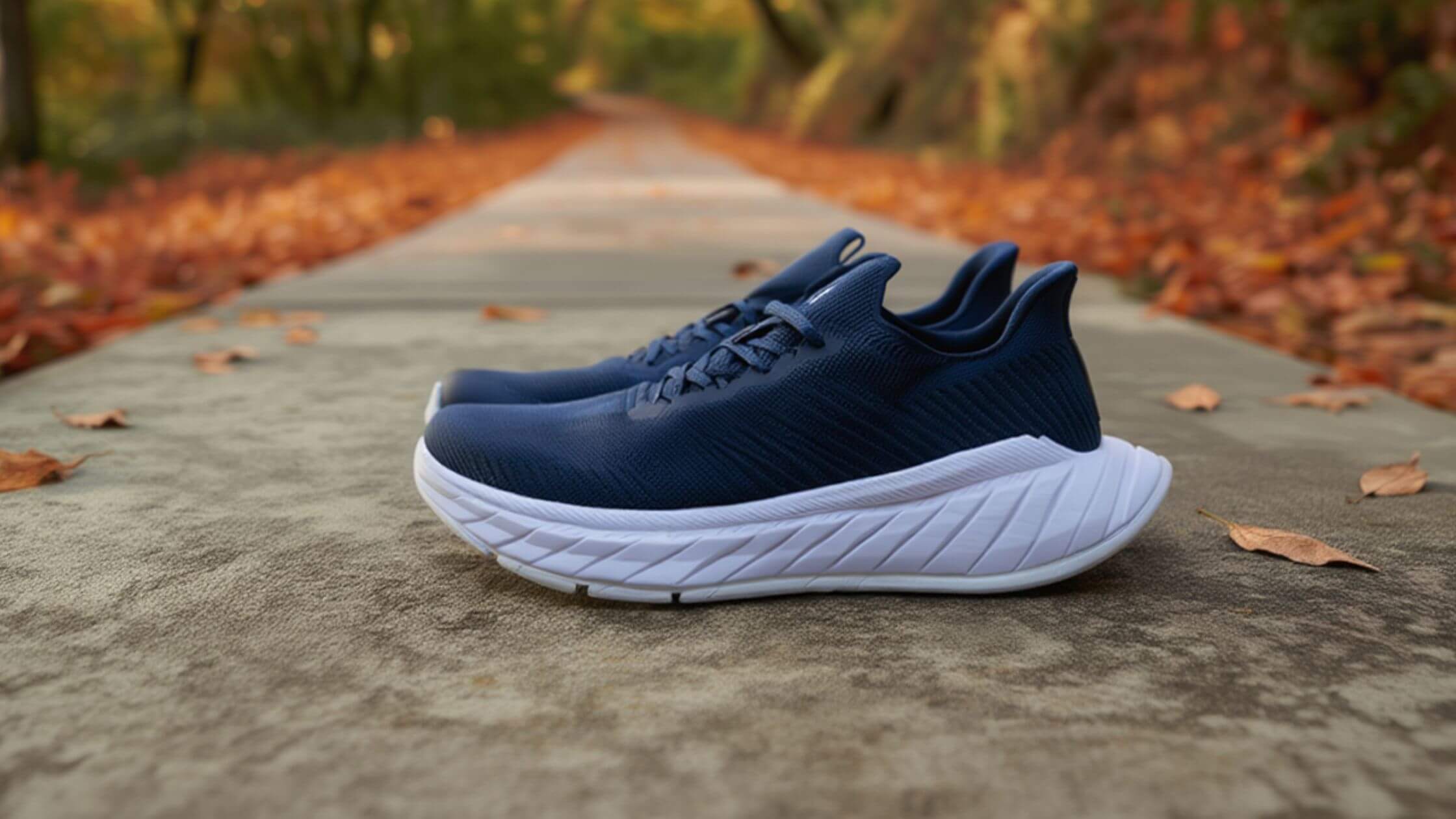
If you have started noticing foot pain—or you are simply shopping for more comfortable shoes—you may have come across footwear with very thick soles and a soft, springy feel. These are often described as maximal cushioning shoes or highly cushioned athletic shoes. Many people try them on and immediately think, “These feel amazing—my feet must need this.”
While orthopedic do provide cushioning, their primary function is structured support—features like stability, arch support, removable orthotic insoles, and extra depth. Some orthopedic shoe styles may not feel as soft at first step, but they are designed to support how the foot functions during prolonged walking or standing.
For many people, maximal cushioning shoes work very well. Other individuals may need more support than cushioning alone can provide. When foot pain persists despite wearing them, it doesn’t mean the shoes are bad—it often means the shoe design may not match how that individual’s feet function.
So, which is better? The answer depends on your feet, your activity level, and whether you have underlying foot or health conditions. Understanding the difference between cushioning and structure can help you choose shoes that best match your foot mechanics and comfort needs over time.
In this article we will look at the comparison of maximal cushioning and structured support shoes, and why some individuals find maximal cushioning works best and why some people need additional structure when cushioning alone isn’t enough.
What Are Maximal Cushioning Shoes?
Maximal cushioning shoes are designed to reduce the feeling of impact when your foot hits the ground. They do this by using thick layers of foam in the sole of the shoe. When you step down, the foam compresses and absorbs some of the shock that would otherwise travel up through your foot and leg.
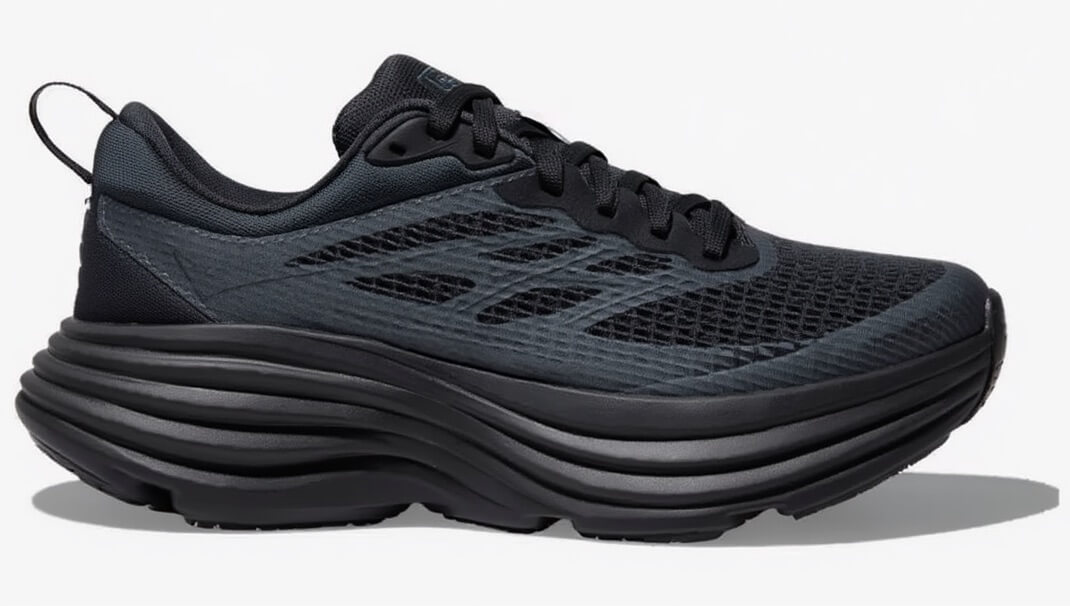
This design is especially noticeable on hard surfaces like sidewalks, tile floors, or concrete. Many people describe these shoes as feeling “soft,” “bouncy,” or even “pillowy.” That sensation can be very appealing, particularly if your heels or joints feel sore after walking.
Key features of maximal cushioning shoes:
- Very thick, high-stack foam midsoles
- Soft, springy underfoot feel
- Lightweight materials
- Some models may include rocker or curved soles to help move the foot forward when walking
Why are they so popular?
Modern adults spend more time walking and standing on hard surfaces than ever before. According to the U.S. Bureau of Labor Statistics, over 60% of workers spend most of their workday standing or walking. Thick cushioning can reduce discomfort during short periods of activity by softening heel strike and forefoot pressure.
How the Foam Cushioning Works
The thick layers of foam cushioning provide that “walking on a cloud” experience by compressing when the foot impacts the ground and absorbing the impact. However, as it compresses repeatedly, it begins to lose its ability to rebound. This means the shoe may feel less supportive after weeks or months of regular wear. Uneven compression can also allow the foot to tilt or sink in certain areas, which may affect balance and comfort when the foam loses its ability to rebound and is worn out.
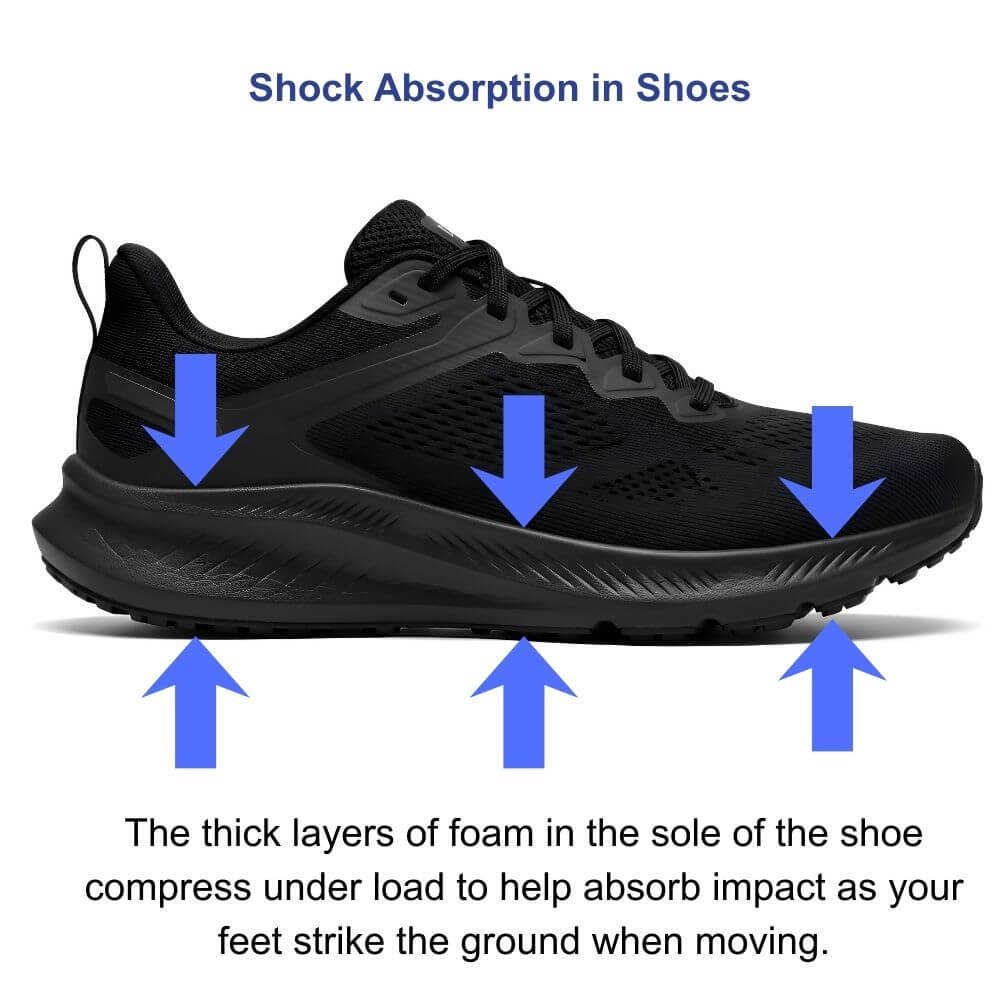
This means that while maximal cushioning shoes may feel comfortable initially, their level of control and stability can change as the foam wears down, particularly with frequent or high-impact use, depending on materials, usage patterns, and individual gait—sometimes in just a few months of regular use.
What Defines Structured Support (Orthopedic) Shoes?
Structured support shoes, often called orthopedic or supportive comfort shoes, are built with a different goal in mind. Instead of focusing primarily on softness, these shoes are designed to support how the foot moves and bears weight.
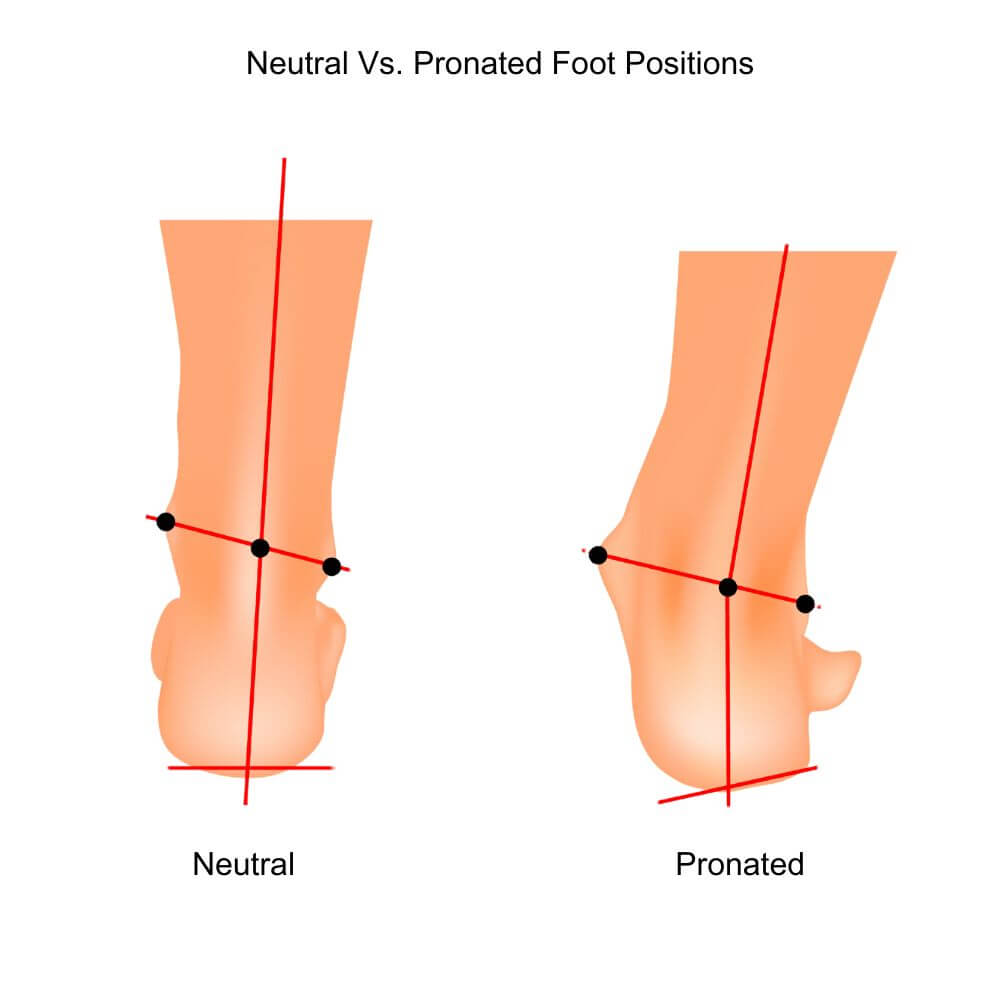
The human foot is complex. It contains 26 bones and many joints that must work together with muscles and tendons to keep you balanced and moving efficiently. When the foot lacks the level of support it needs, it may roll inward (overpronation), flatten (fallen arches), or feel less stable during walking or standing. This can cause lower body alignment issues and travel up the kinetic chain—affecting ankles, knees, hips, and even the lower back.
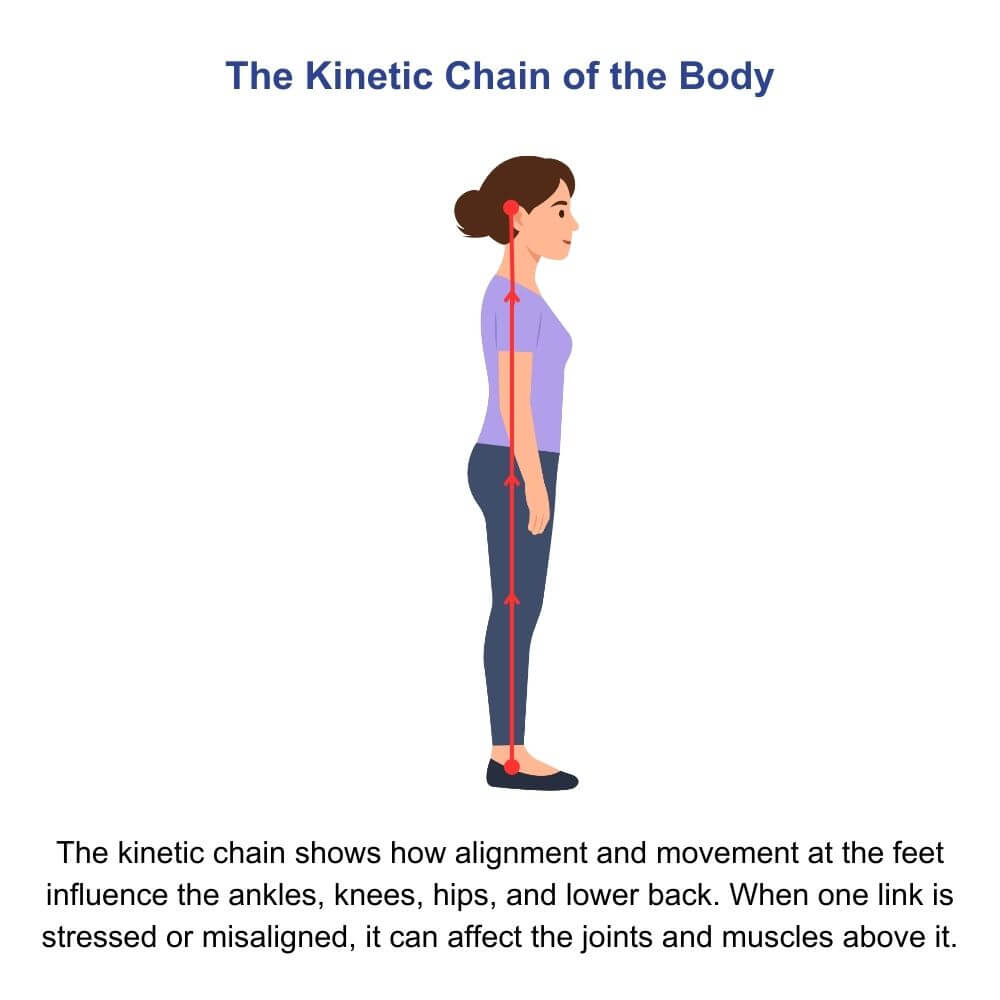
Structured shoes help manage this by providing a more stable base. They often include firmer midsoles for stability, built-in arch support, and a reinforced heel area that helps keep the foot aligned. Many also have removable insoles so that orthotics can be used when needed. Extra depth is another common feature, allowing room for swelling or changes in foot shape without creating pressure.
Key features of Shoes with Structured Support include:
- Firm or semi-rigid midsoles
- Built-in arch support or removable orthotic insoles
- Reinforced heel counters for rearfoot stability
- Extra depth to accommodate orthotics, swelling, or foot changes
- Adjustable closures (lace or hook & loop straps) for fit consistency
While some modern orthopedic shoes do provide spongy midsole cushioning, some orthopedic styles may not feel as soft as maximal cushioning shoes when you first put them on, they are designed to perform over hours of wear, not just the first few steps.
A study published in the Journal of Foot and Ankle Research found that footwear with proper stability and support can significantly reduce strain on the plantar fascia and lower leg structures during walking.
How Cushioning in Orthopedic Shoes Is Different
Many people assume orthopedic shoes are firm or lack cushioning, but that isn’t the case. Most orthopedic shoes include cushioned soles — the difference is how that cushioning is designed and supported.
In orthopedic footwear, midsole cushioning is typically layered over a stable base or structured orthotic with arch support. The goal is to soften impact without allowing the foot to sink or lose alignment. This helps protect sensitive areas like the heel and forefoot while still supporting the arch and stabilizing the heel.
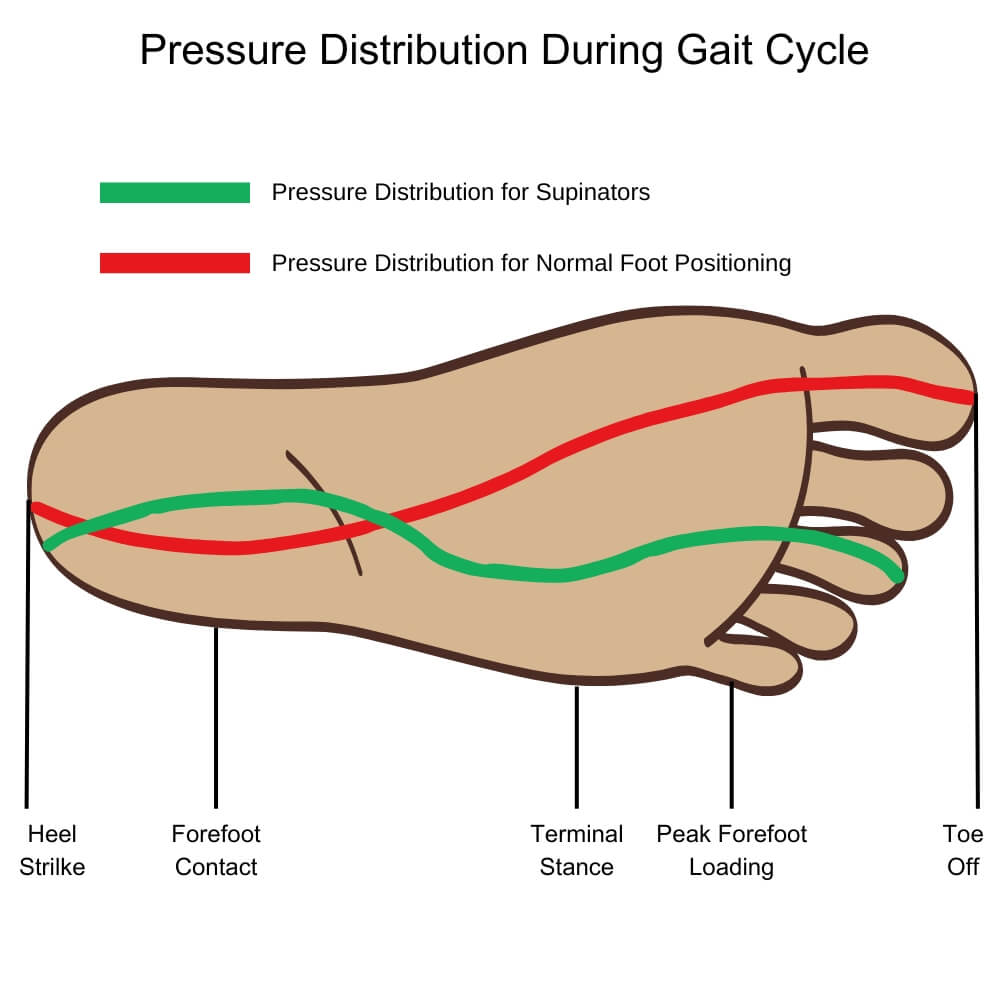
Unlike maximal cushioning shoes, where softness is the primary feature, orthopedic cushioning works with the shoe’s structure rather than replacing it. This design aims to improve pressure distribution and stability for individuals who benefit from additional structure, while still providing cushioning for comfort.
For people with foot pain, fatigue, or conditions that affect balance or alignment, this combination of support and controlled cushioning may provide more consistent comfort than softness alone.
Who Benefits Most from Maximal Cushioning Shoes?
Maximal cushioning shoes can work well for people who have generally healthy feet and do not experience ongoing foot pain. Someone with neutral foot mechanics—meaning their foot does not roll excessively inward or outward—may find that cushioning provides enough comfort for daily activities.
For example, someone who walks a few miles a day for exercise and does not experience foot pain may find maximal cushioning shoes comfortable and adequate.
It is important to understand, however, that cushioning mainly affects how a shoe feels, not how it supports the foot. A shoe can feel very comfortable while still allowing the foot to move in ways that may cause strain over time. This distinction becomes more important as walking time increases or if foot discomfort starts to appear regularly.
If you are comfortable, stable, and pain-free in maximal cushioning shoes, there may be no reason to change what’s working.
When Cushioning Alone Is Not Enough
One common misconception is that more cushioning automatically provides the type of support every foot needs. In reality, if a foot requires more stability or guidance, having too much softness can sometimes create new problems.
When the sole of a shoe is very soft, the foot may sink unevenly into the foam. This can make the muscles in the feet and legs work harder to keep you stable. Over long periods of standing or walking, this extra effort can lead to fatigue and soreness.
Studies on unstable footwear have shown that increased softness and instability can raise muscle activity, particularly during standing and walking. While this may reduce discomfort for some individuals in the short term, higher muscular demand during prolonged use may contribute to fatigue, which can reduce motion control and potentially exacerbate existing foot issues in certain individuals.
Many people notice this pattern in real life. A highly cushioned shoe may feel wonderful in the morning, but by the end of the day, their feet feel tired, achy, or less stable. This is often related to a mismatch between cushioning level and the amount of structure an individual foot requires.
Potential challenges some individuals may experience in maximal cushioning shoes:
- Excessive foam compression leading to instability
- Increased inward rolling for some foot types
- Reduced ground awareness and balance
- Faster breakdown of support
When Structured Support Shoes May Be Helpful
Structured support shoes are often beneficial for individuals who have foot or health conditions that affect how their feet function.
People with plantar fasciitis, overpronation, arthritis, diabetes-related foot sensitivity, or chronic swelling often need more than shock absorption. They need shoes that help control motion, distribute pressure evenly, provide adequate interior space to accommodate different foot shapes and deformities, and provide consistent support throughout the day.
For some individuals, highly cushioned athletic shoes may not adequately address their symptoms and, in certain cases, can contribute to discomfort. Structured shoes help keep the foot aligned and reduce stress on inflamed or sensitive tissues.
Another benefit that is not always obvious is that extra-depth or adjustable depth shoes reduce pressure points and can accommodate prescribed orthotics. This is particularly important for people with reduced sensation, where friction or pressure may go unnoticed until skin irritation occurs.
Cushion vs. Support—It’s Not the Same Thing
Maximal cushioning shoes and structured support shoes serve very different purposes. Cushioning focuses on softness and impact reduction, while structure focuses on stability, alignment, and long-term foot function.
For people with healthy, neutral feet and short activity periods, highly cushioned athletic shoes may feel comfortable and sufficient. However, for those dealing with foot pain, instability, swelling, or certain medical conditions, structured support shoes may offer benefits that cushioning alone does not provide.
The key takeaway is this: Comfort is how a shoe feels at first step. Support is how a shoe performs after hours of wear.
Choosing footwear based on your foot needs—not just how soft it feels—can make a meaningful difference in how your feet feel day after day.
Frequently Asked Questions On Cushioning VS Support in Shoes
- 1. If my maximal cushioning shoes feel comfortable, should I switch to structured support shoes?
Not necessarily. If you feel comfortable, stable, and pain-free in maximal cushioning shoes, there may be no reason to change what’s working.
- 2. Can maximal cushioning shoes cause foot pain?
Maximal cushioning shoes do not cause foot pain for most people. However, for some individuals, cushioning alone may not provide the level of stability or support their feet need, which can contribute to discomfort over time.
- 3. Are orthopedic shoes stiff or uncomfortable?
No. Most modern orthopedic shoes are designed to be comfortable and include cushioning to absorb impact. While they may feel different from very soft athletic shoes at first step, many people find them more comfortable over time due to consistent support during prolonged wear.
For some individuals that are not used to the added foot support, a short adjustment period may be helpful. Gradually wearing supportive shoes for limited periods each day and increasing wear time as tolerated can allow the feet to adapt. If discomfort or pain persists after a gradual adjustment, a different type of footwear or professional guidance may be appropriate.
- 4. What’s the difference between cushioning and support?
Cushioning helps absorb impact and affects how soft a shoe feels. Support helps control foot motion and alignment. A shoe can feel very comfortable due to cushioning but still lack the support some feet need to stay stable and reduce strain over time.
- 5. Can orthopedic shoes also be cushioned?
Yes. Most orthopedic shoes include cushioning, but it is typically layered over a stable base or supportive structure. This design helps provide comfort while maintaining alignment and stability for those who need it.
- 6. How do I know if I need more structure in my shoes?
People who experience foot fatigue, instability, swelling, or discomfort that worsens throughout the day may benefit from shoes with more structure. If foot pain persists despite wearing cushioned shoes, additional support may be worth considering.
- 7. Is one shoe type better for long hours on your feet?
It depends on the individual. Some people do well in maximal cushioning shoes for long hours, while others find they need additional structure to stay comfortable and supported. Foot mechanics, body weight, activity level, and any existing foot concerns all play a role in which shoe is best.
About author:
Derek Roach is a foot health expert with over a decade of experience in the orthopedic shoe industry. He has helped thousands of customers find the right footwear for their unique foot conditions. His expertise has been featured in major publications such as CNN, Women's Health Mag, HuffPost, and Healthline. Passionate about foot health and comfort, Derek provides practical advice to help people improve mobility and reduce foot pain through proper footwear choices.
